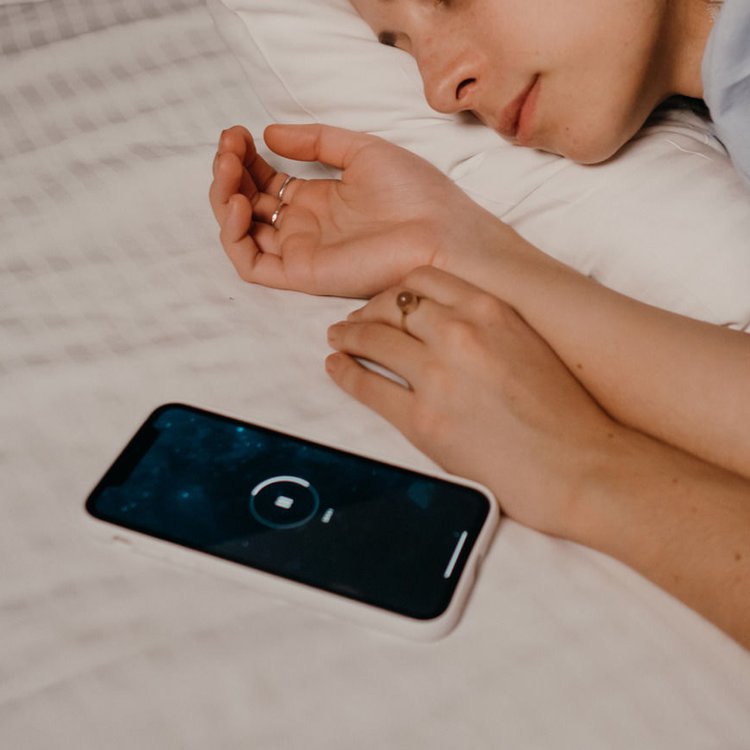
For many adults, using a phone before bed has become a nightly habit. Scrolling through social media, watching short videos, or replying to messages may feel relaxing, but it can quietly interfere with sleep.
From a physiological perspective, blue light emitted by phone screens suppresses the production of melatonin, a hormone essential for initiating sleep. When melatonin release is disrupted, the brain interprets it as a signal that it is not yet time to sleep.
Beyond light exposure, the content itself is highly stimulating. Fast-paced videos, news, and social interactions activate the brain’s attention system. While the body may be resting in bed, the mind remains alert and engaged.
Many people notice that even after putting the phone down, their thoughts continue to replay what they just saw or read. This delayed mental stimulation makes it harder to fall asleep and may lead to lighter sleep or nighttime awakenings.
Using a phone in bed can also weaken the brain’s association between the bed and sleep. Over time, the bed becomes linked to alertness and entertainment rather than rest, reducing its ability to signal sleep.
If giving up phone use entirely feels unrealistic, gradual changes can help. Setting a fixed cutoff time—such as thirty minutes before bed—or placing the phone out of reach can reduce impulsive use.
Replacing phone use with gentler activities can ease the transition into sleep. Reading a physical book, listening to soft music, or practicing slow breathing are more sleep-friendly alternatives.
Using a phone before bed does not automatically ruin sleep, but habitual and prolonged use increases the risk of difficulty falling asleep and reduced sleep quality. Small, consistent changes can help retrain the brain to slow down at night.