Simple habits that help your body relax and fall asleep naturally

How to Fall Asleep Faster at Night (Natural Methods That Work)
Many adults struggle with falling asleep quickly. You go to bed feeling tired, but your mind keeps running, making it difficult to relax and drift into sleep.
Occasional difficulty falling asleep is normal, but when it happens frequently, it can affect your energy, mood, and overall health.
The good news is that there are natural ways to help your body fall asleep faster without relying on medication.

Why It Sometimes Takes So Long to Fall Asleep
Falling asleep is not something we can force. Instead, sleep happens when the body and mind gradually relax. Several factors can delay this process.
Stress and Mental Activity
One of the most common causes of delayed sleep is an overactive mind. Thinking about work, responsibilities, or daily worries can keep your brain alert when it should be preparing for rest.
Too Much Light Before Bed
Exposure to bright light, especially from phones and computers, can delay the release of melatonin — the hormone that helps regulate sleep.
Irregular Sleep Schedule
Going to bed at different times each night can confuse your body’s internal clock, making it harder to fall asleep quickly.
Natural Ways to Fall Asleep Faster
Improving sleep often comes down to simple lifestyle adjustments.
Create a Calm Pre-Sleep Routine
Your body benefits from a predictable wind-down routine. Activities like reading, stretching, or listening to calm music can signal that bedtime is approaching.
Reduce Screen Time
Try turning off phones, tablets, and computers at least 30–60 minutes before sleep. This helps your brain begin the natural transition toward rest.
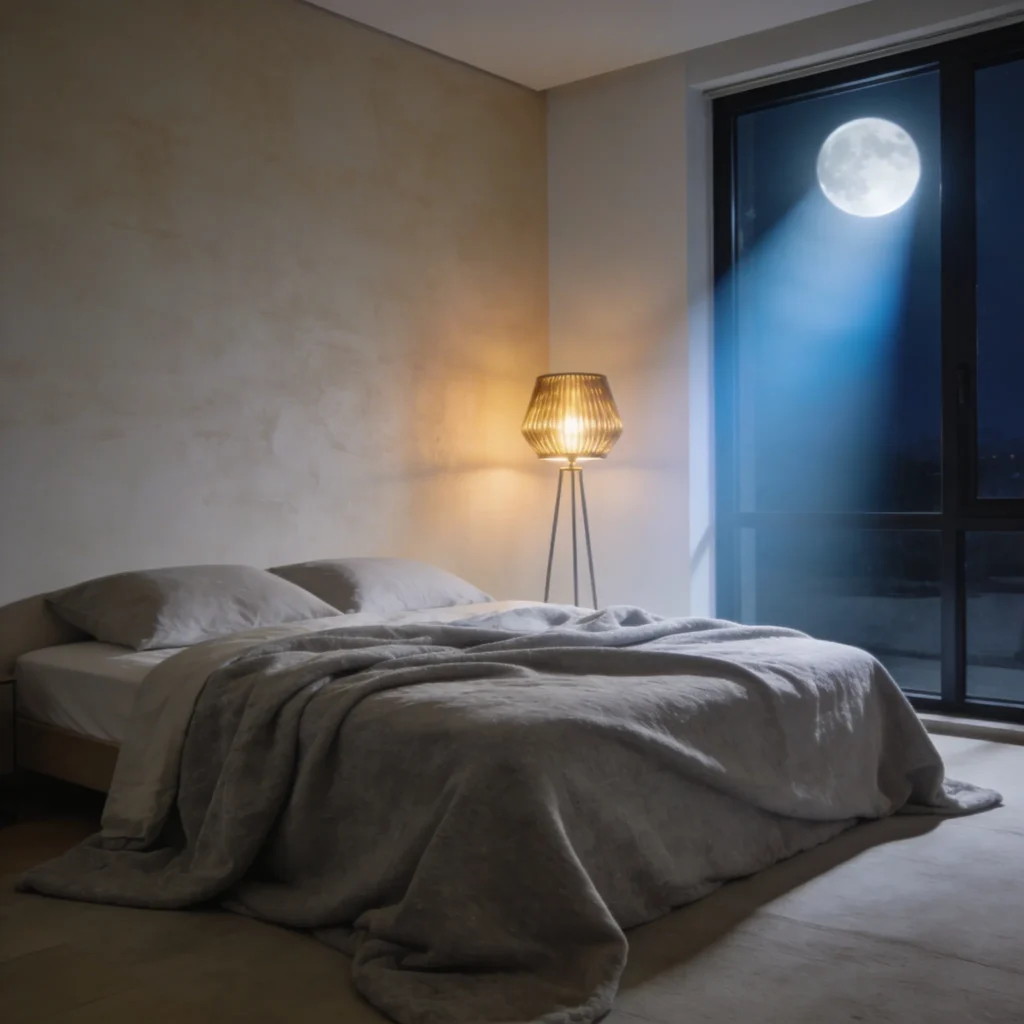
Keep Your Bedroom Relaxing
A quiet, dark, and comfortable bedroom environment helps your body feel safe and relaxed enough to sleep.
Focus on Slow Breathing
Deep, slow breathing helps calm the nervous system and reduce stress, making it easier to drift off naturally.

How Long Should It Take to Fall Asleep?
Sleep experts often say that falling asleep within 10–20 minutes is considered healthy for most adults.
If you regularly lie awake for much longer than that, it may be helpful to adjust your nighttime habits or sleep environment.
Final Thoughts
Falling asleep faster is rarely about forcing sleep. Instead, it is about helping your body relax and creating the right conditions for rest.
Small changes — such as reducing stress, limiting evening screen time, and building a calming bedtime routine — can make a noticeable difference over time.
Better sleep begins with better habits.