Understanding how lack of sleep affects your body and mind

What Happens to Your Body When You Don’t Get Enough Sleep
Sleep is often overlooked, yet it plays a critical role in maintaining both physical and mental health. While missing a single night of sleep may only leave you feeling tired, ongoing sleep deprivation can have deeper and more lasting effects on your body.
Understanding what happens when you don’t get enough sleep can help you recognize why quality rest is essential.
How Sleep Supports Your Body
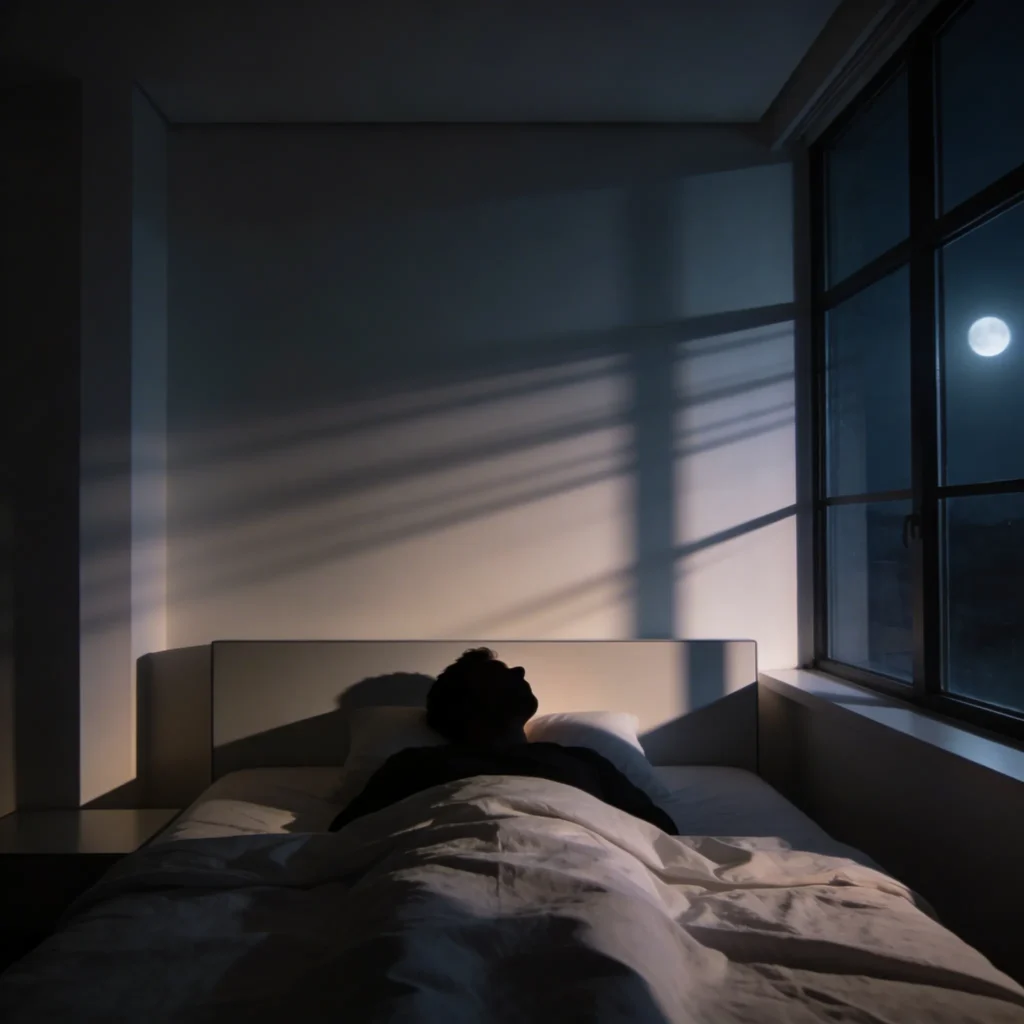
During sleep, your body is far from inactive. Important processes take place, including muscle repair, hormone regulation, and memory consolidation. Sleep is a time when your body restores itself and prepares for the next day.
Without enough sleep, these processes become disrupted.

Effects of Sleep Deprivation
Reduced Focus and Productivity
Lack of sleep directly affects your ability to concentrate. Tasks that normally feel simple may become more difficult, and your reaction time can slow down.
Mood Changes
Poor sleep can make you feel more irritable, stressed, or emotionally sensitive. Over time, this can impact relationships and overall mental well-being.
Weakened Immune System
Sleep helps support your immune system. Without enough rest, your body may become more vulnerable to illness.
Increased Stress Levels
When sleep is limited, the body produces more stress hormones. This can create a cycle where stress makes it harder to sleep, and poor sleep increases stress.
Lower Energy Levels
Even if you spend enough time in bed, poor-quality sleep can leave you feeling tired throughout the day.
Short-Term vs Long-Term Effects
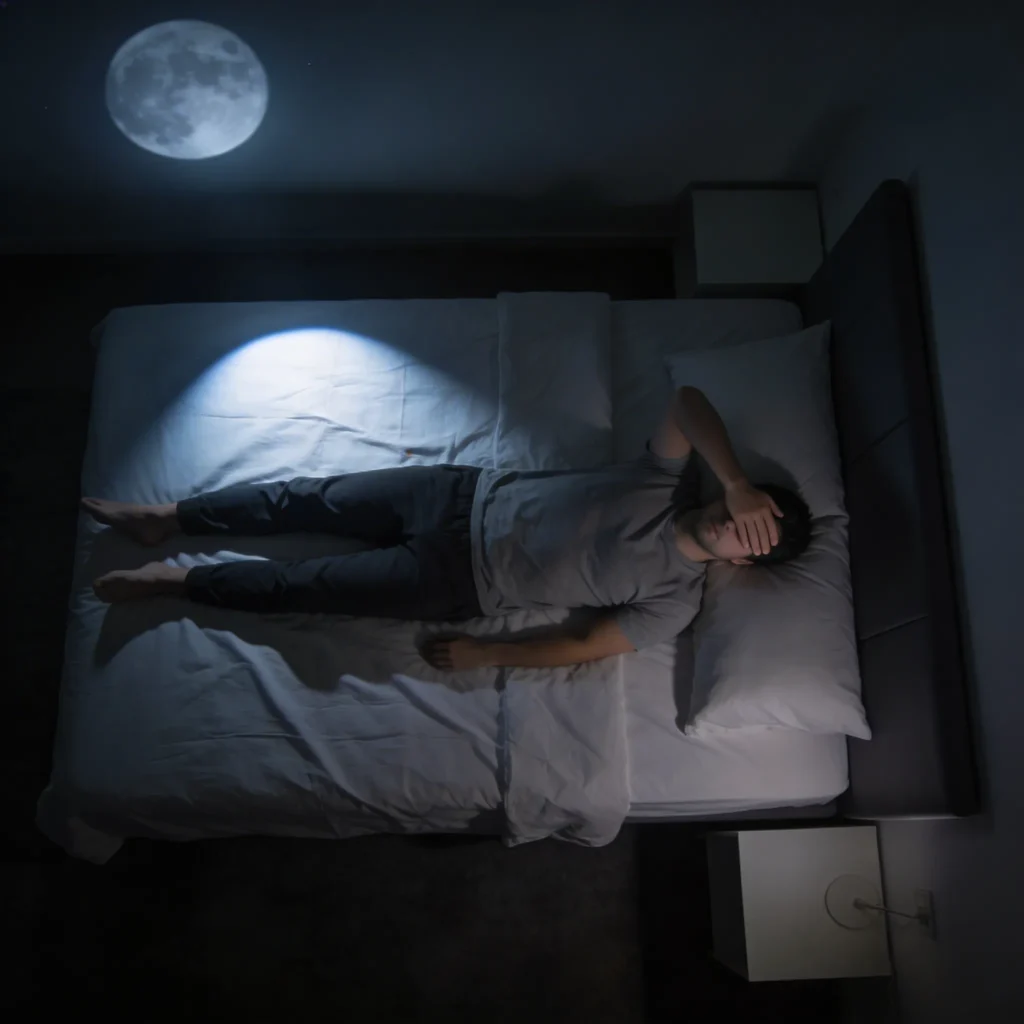
In the short term, sleep deprivation may cause fatigue and difficulty focusing. However, long-term sleep problems can increase the risk of more serious health issues.
That is why it is important to treat sleep as a priority rather than something optional.
How to Improve Your Sleep
Improving sleep does not require complicated changes. Start with simple habits such as maintaining a consistent schedule, reducing screen time before bed, and creating a calm sleep environment.
Small improvements can lead to noticeable results over time.
Final Thoughts
Sleep is not just about rest. It is an essential part of how your body functions and recovers.
When you don’t get enough sleep, your body feels the effects in many ways. By prioritizing sleep, you support both your physical health and mental well-being.