Why brightness and screen exposure can disrupt deep rest
How Light Affects Your Sleep at Night
Light plays a powerful role in regulating your sleep cycle. While it may seem harmless to keep a lamp on or scroll through your phone before bed, light exposure at night can significantly affect how easily you fall asleep and how deeply you rest.
Your body relies on darkness to signal that it is time to sleep. When your environment remains bright, that signal becomes weaker.
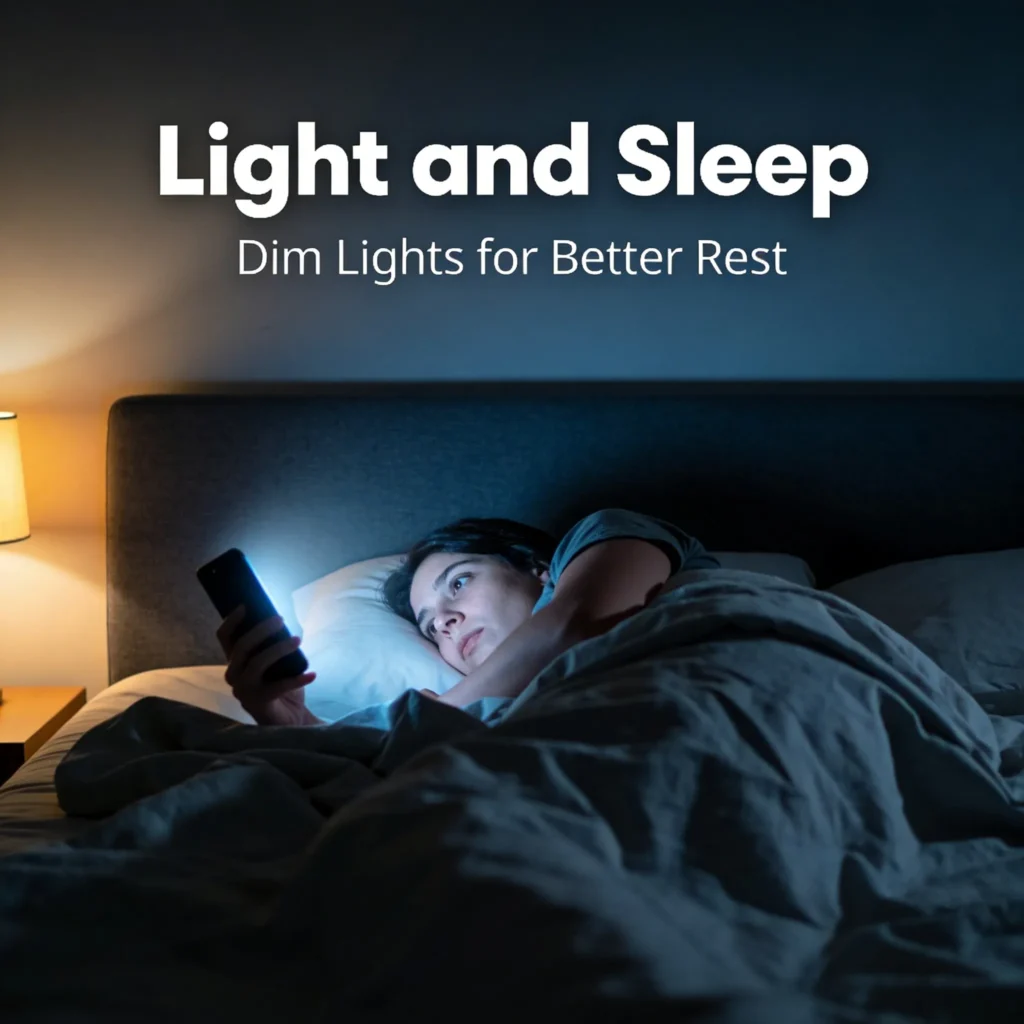
The Science Behind Light and Sleep
Your internal body clock responds directly to light and darkness.
In the evening, reduced light helps your body produce melatonin, the hormone that supports sleep. When exposed to bright lights or screens, melatonin production may be delayed.
As a result, you may feel alert even when your body is tired.
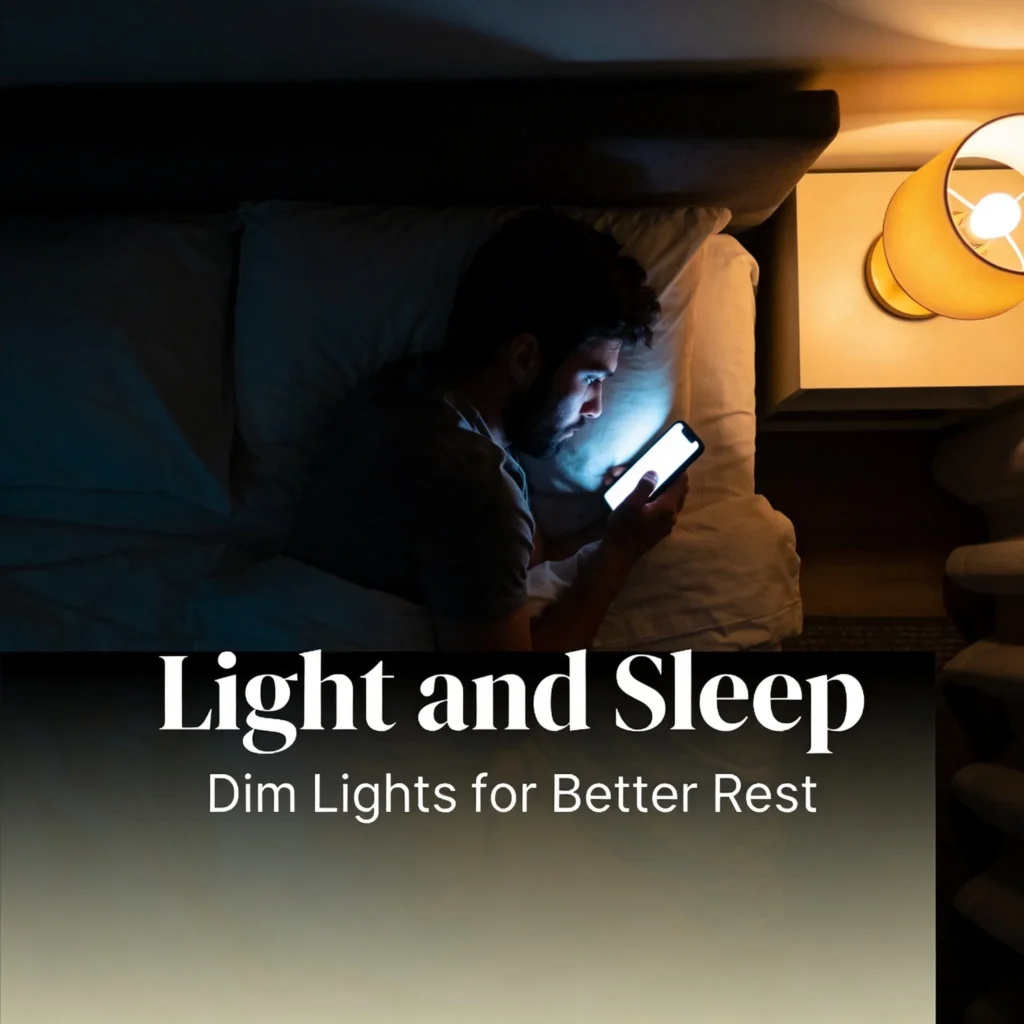
Types of Light That Disrupt Sleep
Overhead Bright Lighting
Strong ceiling lights late at night can trick your brain into thinking it is still daytime.
Blue Light from Screens
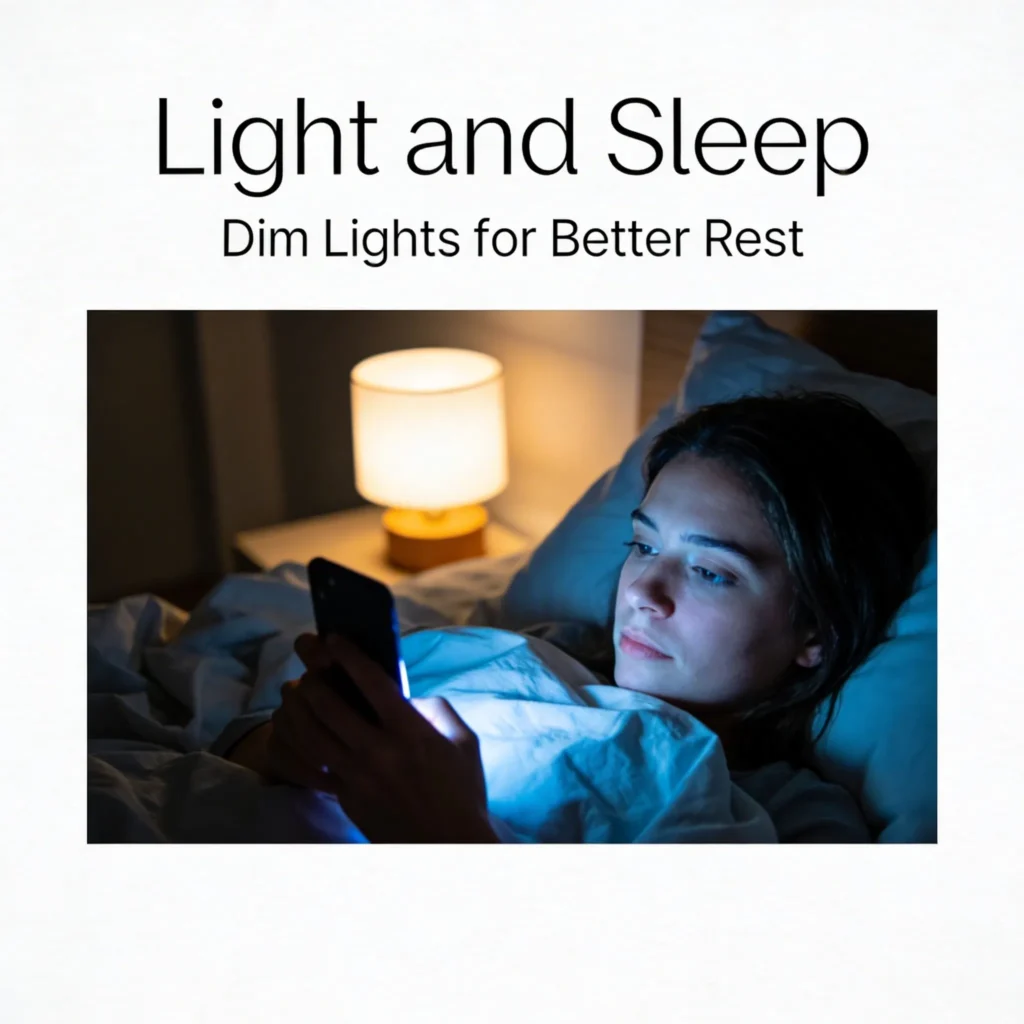
Phones, tablets, and televisions emit blue light, which is especially stimulating to the brain.
Ambient Light in the Bedroom
Small light sources, such as electronic indicators or streetlights through windows, can subtly interrupt sleep quality.
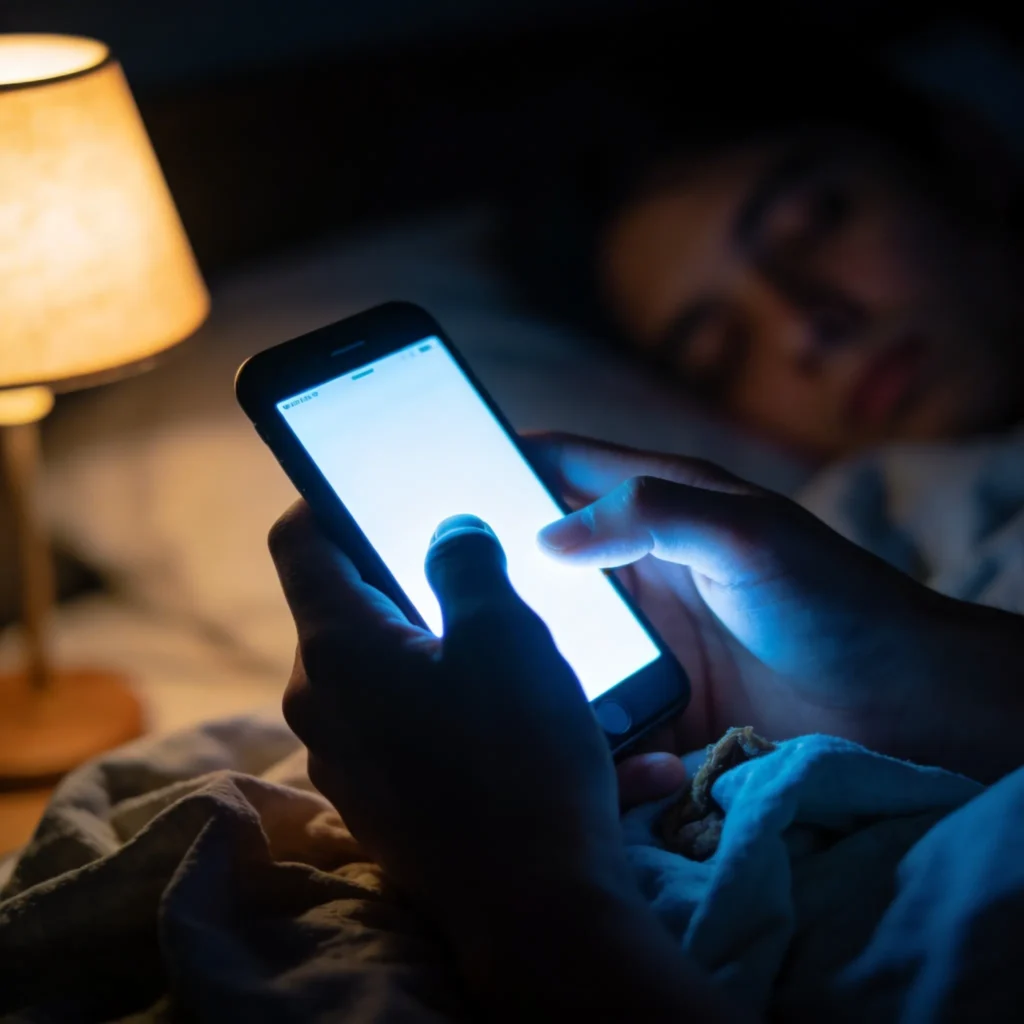
Signs Light May Be Affecting Your Sleep
You might notice:
- Taking longer to fall asleep
- Feeling alert at bedtime
- Waking up during the night
- Feeling less refreshed in the morning
Even low levels of light can reduce overall sleep depth.
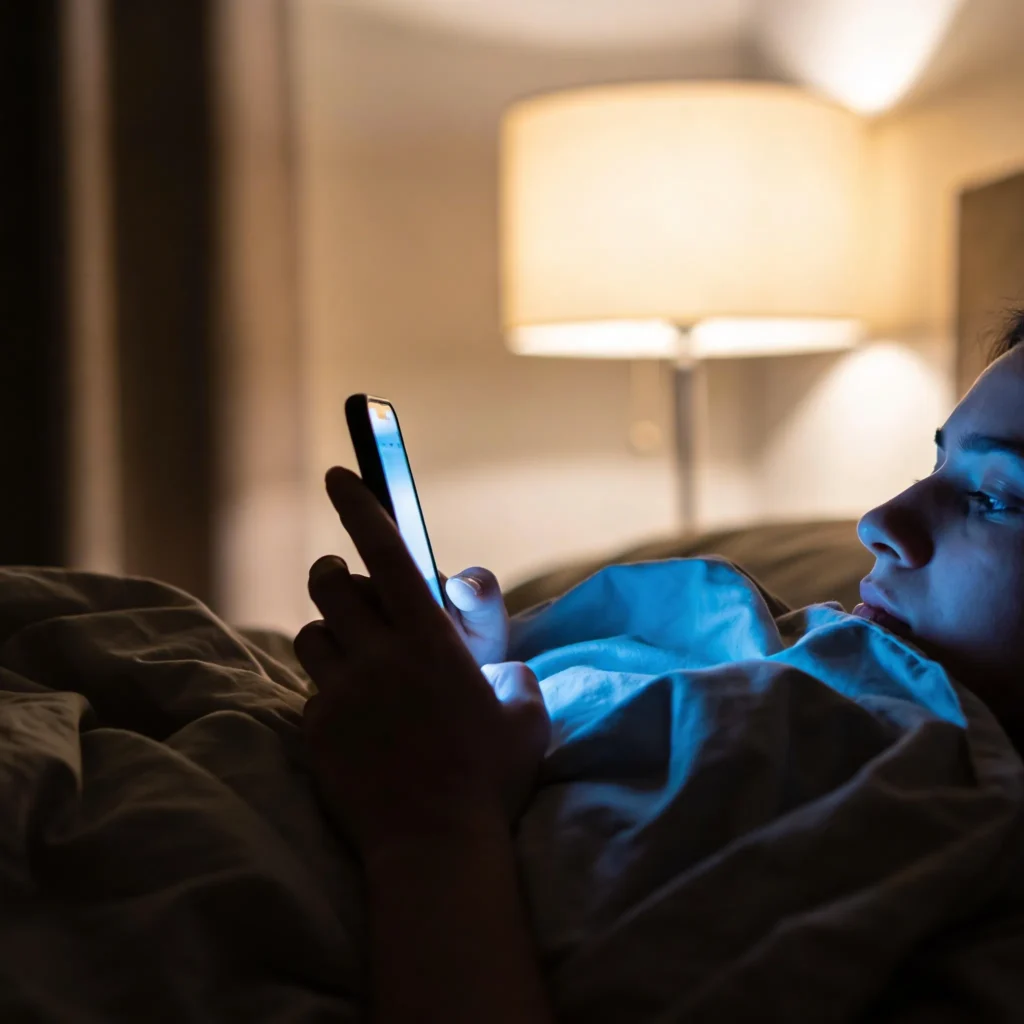
How to Reduce Light Exposure at Night
Dim Lights in the Evening
Switch to softer, warmer lighting at least one hour before bedtime.
Limit Screen Time
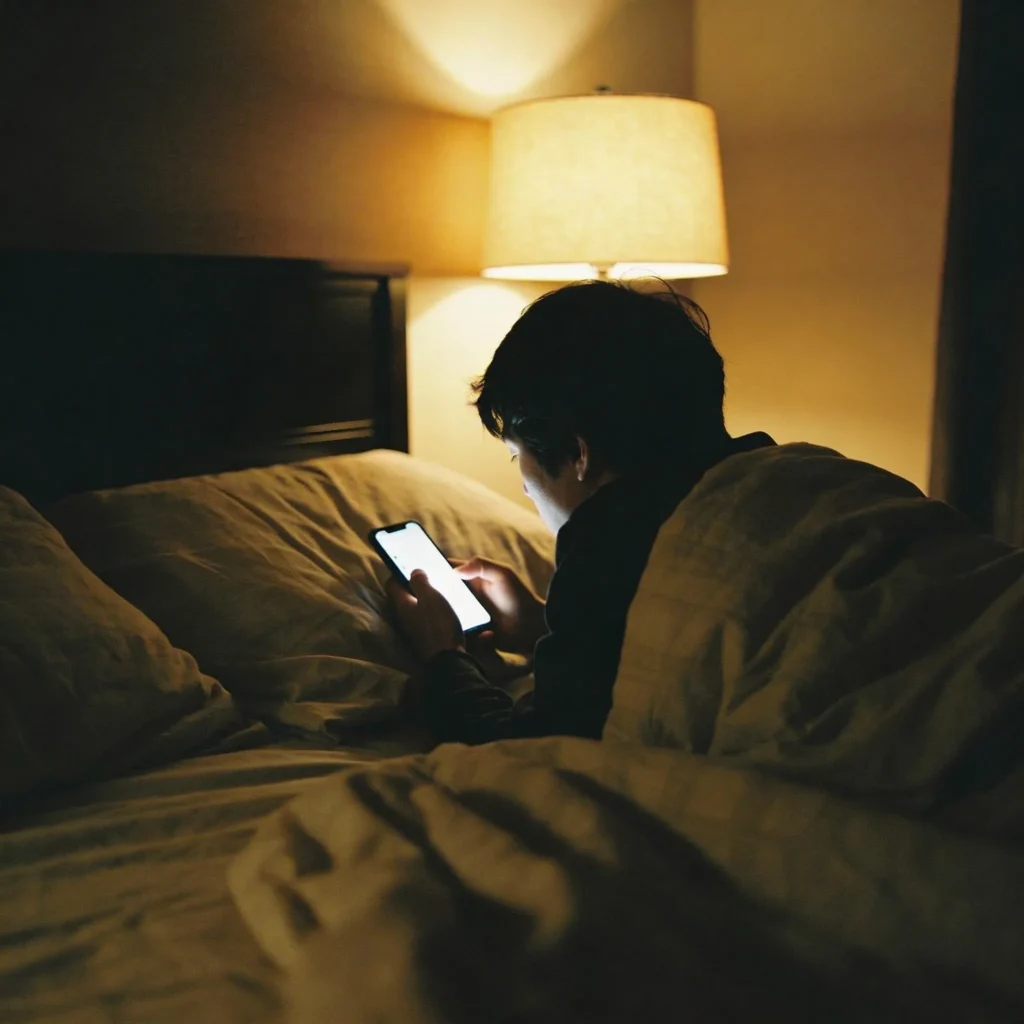
Avoid screens close to bedtime when possible. If you must use devices, reduce brightness and exposure time.
Keep the Bedroom Dark
Use curtains or blinds to block outside light. Turn off unnecessary electronic lights in the room.
Create a Consistent Night Signal
When your bedroom is consistently dark at night, your brain begins to associate darkness with sleep.
Final Thoughts
Light is one of the strongest environmental signals influencing your sleep cycle.
By lowering brightness and limiting screen exposure in the evening, you support your body’s natural ability to fall asleep and stay asleep.
Sometimes better sleep starts with simply turning down the lights.