Understanding how nighttime sounds affect deep rest
Why Noise Disrupts Your Sleep (And How to Reduce It)
Noise is one of the most common yet underestimated causes of poor sleep. Even if you do not fully wake up, background sounds can interrupt your natural sleep cycles.
Your brain continues to process sound while you sleep. Sudden or inconsistent noise can shift you into lighter stages of sleep, reducing overall rest quality.
Understanding how noise affects sleep can help you create a quieter, more supportive environment.
How Sound Affects the Sleeping Brain
During sleep, your body relaxes, but your brain remains alert to changes in the environment. This protective mechanism helps you respond to danger if necessary.
However, everyday sounds such as traffic, doors closing, or electronic notifications can trigger brief awakenings or micro-arousals.
These small interruptions often go unnoticed but reduce deep sleep over time.
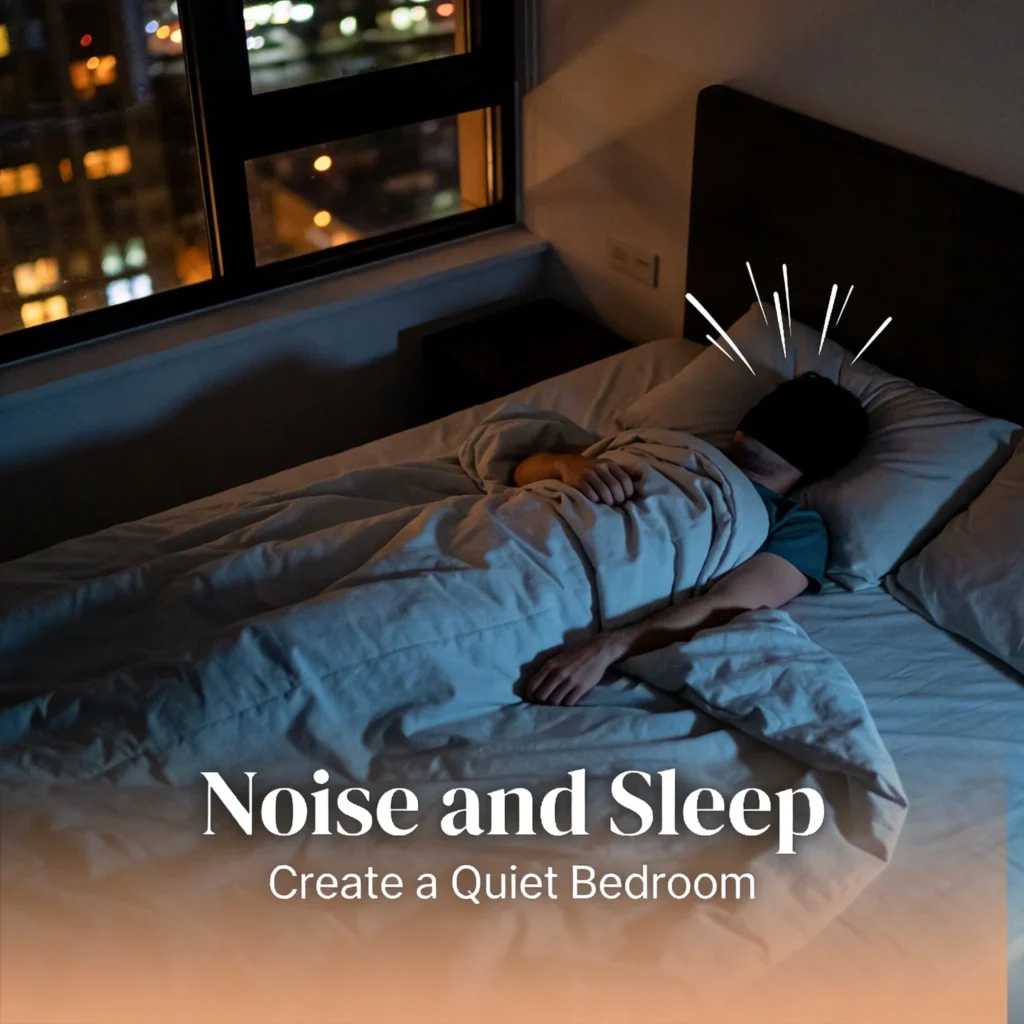
Types of Noise That Commonly Disrupt Sleep
Sudden Impact Sounds
Doors slamming, barking dogs, or unexpected loud noises are especially disruptive because they cause a stress response.
Inconsistent Background Noise
Irregular traffic or unpredictable sounds prevent the brain from fully relaxing.
Indoor Noise Sources
Appliances, fans, or notifications from devices can also interfere with sleep continuity.
Signs Noise May Be Affecting Your Sleep
You may experience:
- Waking up during the night
- Feeling unrested in the morning
- Light, fragmented sleep
- Increased sensitivity to sounds
Even subtle environmental noise can impact sleep depth.

How to Reduce Noise at Night
Minimize External Sound
Close windows and doors when possible to reduce outside disturbances.
Remove Indoor Distractions
Turn off unnecessary electronics and silence notifications before bed.
Use Consistent Background Sound
Some people find that steady, predictable background sound helps mask sudden disruptions.
Create a Calm Bedroom Setup
Soft materials, rugs, and curtains can absorb sound and make a room quieter overall.
Build a Stable Sound Environment
Your brain relaxes more easily when the environment feels predictable.
Reducing sudden or inconsistent noise can help maintain deeper sleep cycles throughout the night.

Final Thoughts
Noise does not always wake you up completely, but it can quietly reduce your sleep quality.
By creating a more stable and calm sound environment, you support deeper and more restorative rest.
Sometimes better sleep simply begins with a quieter space.